Antique Magee Fur Co #8 Cast Iron Skillet Gate Mark Boston Massachusetts 1870s
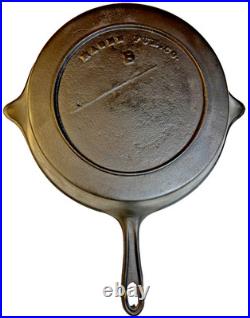
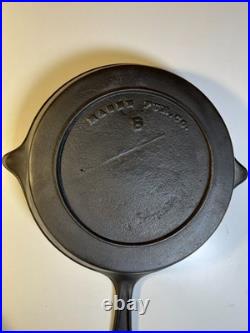
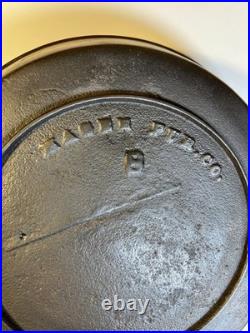
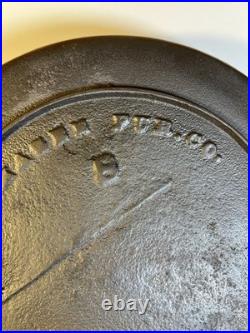
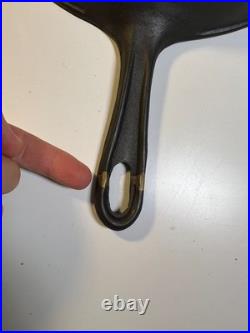
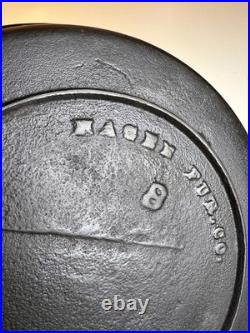
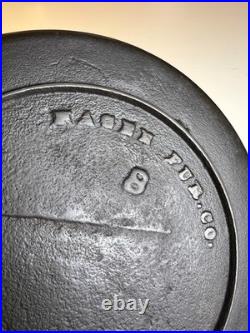
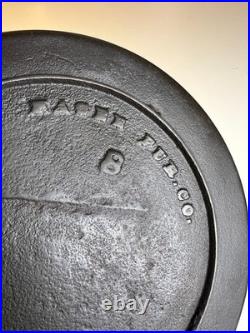
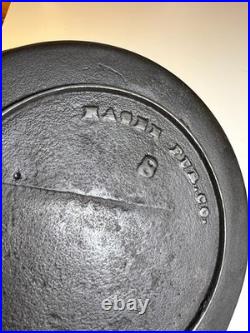
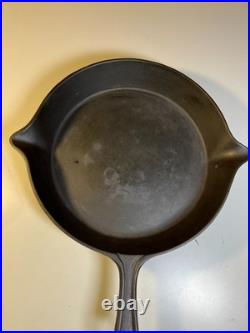
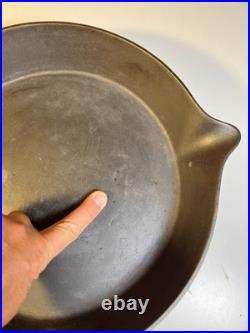
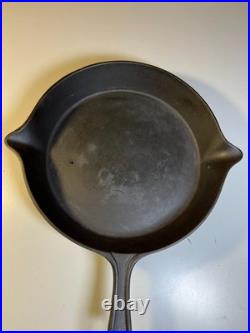
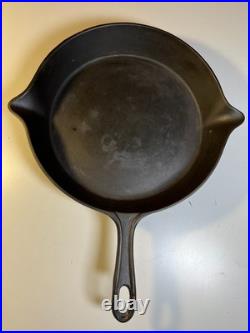




A scarce, early Magee Furnace Company #8 cast-iron skillet, manufactured in the Boston, Massachusetts area during the latter half of the 19th century. The underside is boldly marked. Is the company's period abbreviation for Furnace Company. This is genuine early American hollowware-not a later vintage skillet. It displays the wonderfully primitive character collectors seek: a prominent gate mark, continuous raised heat ring, exceptionally thick walls, irregular sand-cast surfaces, dual pouring spouts, and an elegant fancy handle. Period records place the company's Boston operations on Union and Friend Streets, with substantial manufacturing activity also associated with nearby Chelsea, Massachusetts. Magee eventually grew into one of the better-known stove and furnace manufacturers in the country, advertising its ranges, stoves, and heating equipment throughout the late 19th century.
Although the company produced enormous quantities of heavy heating equipment, surviving pieces of its marked household hollowware are considerably less common than cookware from familiar names such as Griswold, Wagner, or Lodge. This skillet dates from an era when molten iron was poured by hand into individual sand molds. The raised diagonal line across the bottom is its original gate mark -the point through which molten iron entered the mold.
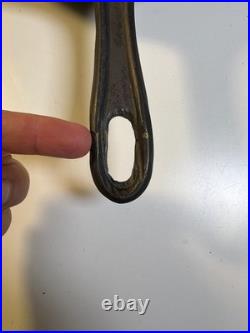
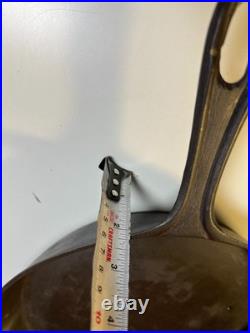
Gate-marked cookware generally predates the later automated casting methods that became dominant around the turn of the 20th century. The skillet has a continuous raised heat ring around the bottom. This allowed the pan to seat securely over the openings of early wood- and coal-burning cooking stoves while concentrating heat beneath the cooking surface. The long handle is especially attractive, with a recessed central rib, gracefully shaped sides, and an elongated hanging eyelet.
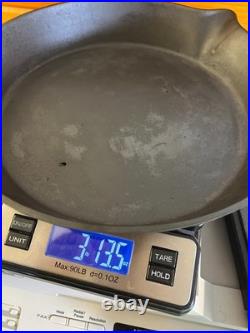
Dual pouring spouts allowed either right- or left-handed pouring. The walls are remarkably substantial-approximately twice the thickness of a U. Despite that rugged construction, the skillet weighs only 3.13 pounds, illustrating the variation found in individually molded 19th-century cookware. Sidewalls approximately twice the thickness of a U.
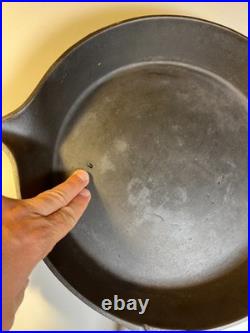
One business card corrects a faint wobble. The skillet has been cleaned and restored, giving it an attractive, even dark finish while preserving its original casting character. There is an old brazed repair at both sides of the handle's hanging eyelet.The interior cooking surface contains several original manufacturing imperfections. These include one prominent open casting void or air-bubble hole and a concentrated rash-like area of smaller casting irregularities.
These flaws formed when the molten iron was originally poured and are part of the skillet's primitive 19th-century manufacture-not modern rust holes. The cooking surface also shows scattered scratches, utensil marks, and age-related texture. Because of the repaired handle and original surface voids, this piece is best offered primarily as collectible early American hollowware, historical display cookware, or farmhouse kitchen décor, rather than promising it as an ideal daily-use cooking skillet.Please examine all photographs closely. The repaired eyelet and cooking-surface imperfections are fully disclosed and form part of this roughly 150-year-old skillet's history.
A scarce, boldly marked piece of early Massachusetts iron with tremendous character-its gate mark, thick walls, continuous heat ring, fancy handle, and unmistakable MAGEE FUR. Name make it far more interesting than the average anonymous antique skillet.